
Root-Based Nutrients for Men's Daily Resilience
Explore the scientific foundations of natural plant compounds and their role in supporting baseline endurance and consistent performance.
Educational content only. No promises of outcomes.
Explore the FactsMetabolic Foundations
Understanding how your body processes nutrients is essential to appreciating the role plant-based compounds play in daily function. This section outlines the basic mechanisms through which natural root and herb-derived nutrients influence metabolic pathways and energy availability.
Energy Pathways and Natural Support
Root vegetables and medicinal herbs contain bioactive compounds that interact with your body's natural processes. These compounds contribute to:
- Cellular energy production
- Nutrient absorption efficiency
- Antioxidant support systems
- Natural recovery processes
The science behind plant nutrition demonstrates that consistent dietary diversity—including root and herb-derived nutrients—supports the body's baseline capacity for sustained performance.

Root and Herb Nutrient Profiles
Scientific research documents specific compounds found in root vegetables and medicinal herbs. The information below presents factual data about their nutritional composition and general role in supporting daily function.
| Botanical Source | Primary Compounds | Dietary Role |
|---|---|---|
| Ginseng Root | Ginsenosides, polysaccharides | Supports general energy and recovery |
| Ashwagandha Root | Withanolides, alkaloids | Promotes adaptation to daily stress |
| Rhodiola Root | Rosavins, salidroside | Contributes to endurance capacity |
| Schisandra Berry | Lignans, essential oils | Supports liver function and recovery |
| Nettle Leaf | Minerals, chlorophyll, silica | Provides micronutrient diversity |
Recovery Through Rest
Sleep and recovery are non-negotiable components of sustained physical and mental performance. While nutrition plays a role, the quality and consistency of your rest fundamentally determines your baseline endurance.

Sleep Architecture and Performance
Scientific evidence consistently shows that:
- 7-9 hours of quality sleep supports muscular recovery
- Deep sleep phases restore cognitive function
- Circadian rhythm alignment improves hormone balance
- Consistent sleep schedules enhance baseline resilience
Nutrition supports but does not replace proper sleep. The combination of adequate rest and balanced nutrition forms the foundation for sustained performance.
Daily Habit Frameworks
Sustainable performance emerges from consistent, simple habits rather than dramatic interventions. Below is a framework of evidence-based daily practices that support baseline resilience.
Physical Foundation
- 30-60 minutes of moderate movement daily
- Strength training 2-3 times per week
- Regular walking in natural environments
- Active recovery practices like stretching
Nutritional Foundation
- Whole foods over processed alternatives
- Consistent water intake throughout the day
- Diverse plant-based nutrient sources
- Regular meal timing and portion awareness
Mental and Recovery
- 7-9 hours consistent sleep nightly
- Stress management and breathing practices
- Regular nature exposure
- Social connection and community
Environmental Factors
- Natural light exposure during the day
- Cool, dark sleep environment
- Minimal synthetic stimulants
- Regular time in natural settings
Gentle Strength Practices
Physical movement is not about extremes—it's about consistency. Gentle but deliberate practices build resilience through sustained effort over time.
Evidence-Based Movement
Research demonstrates that:
- Regular resistance training maintains muscle mass and bone density
- Moderate aerobic activity supports cardiovascular health
- Flexibility work improves mobility and injury prevention
- Consistency matters more than intensity for long-term benefits
Combine these practices with proper nutrition and recovery to build a sustainable foundation for daily performance.

Deep-Dive Botanical Reference
These cards provide detailed informational breakdowns of key root and herb sources discussed in our framework. Each botanical has a documented history of use and scientific study.

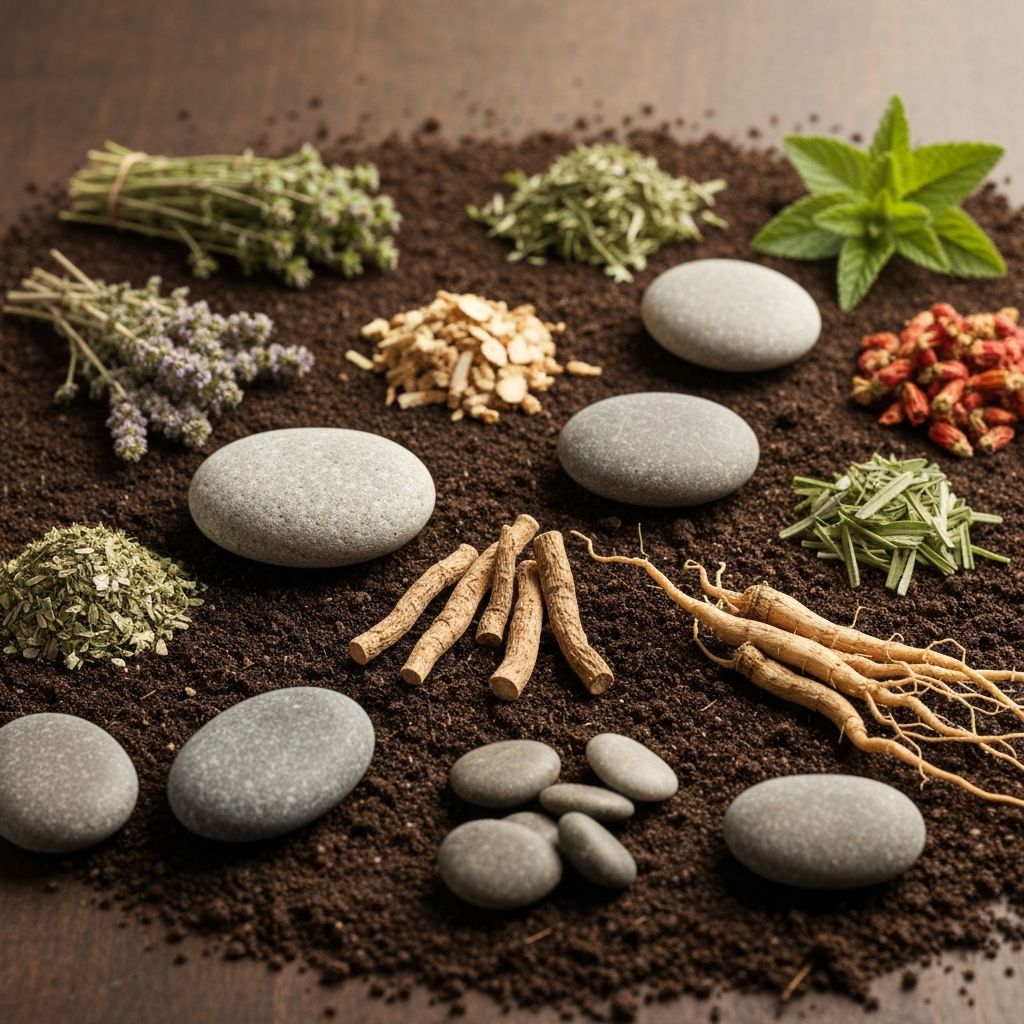
Ginseng Root
- Contributes to dietary diversity
- Aligns with balanced nutrient intake
- Supports general energy processes
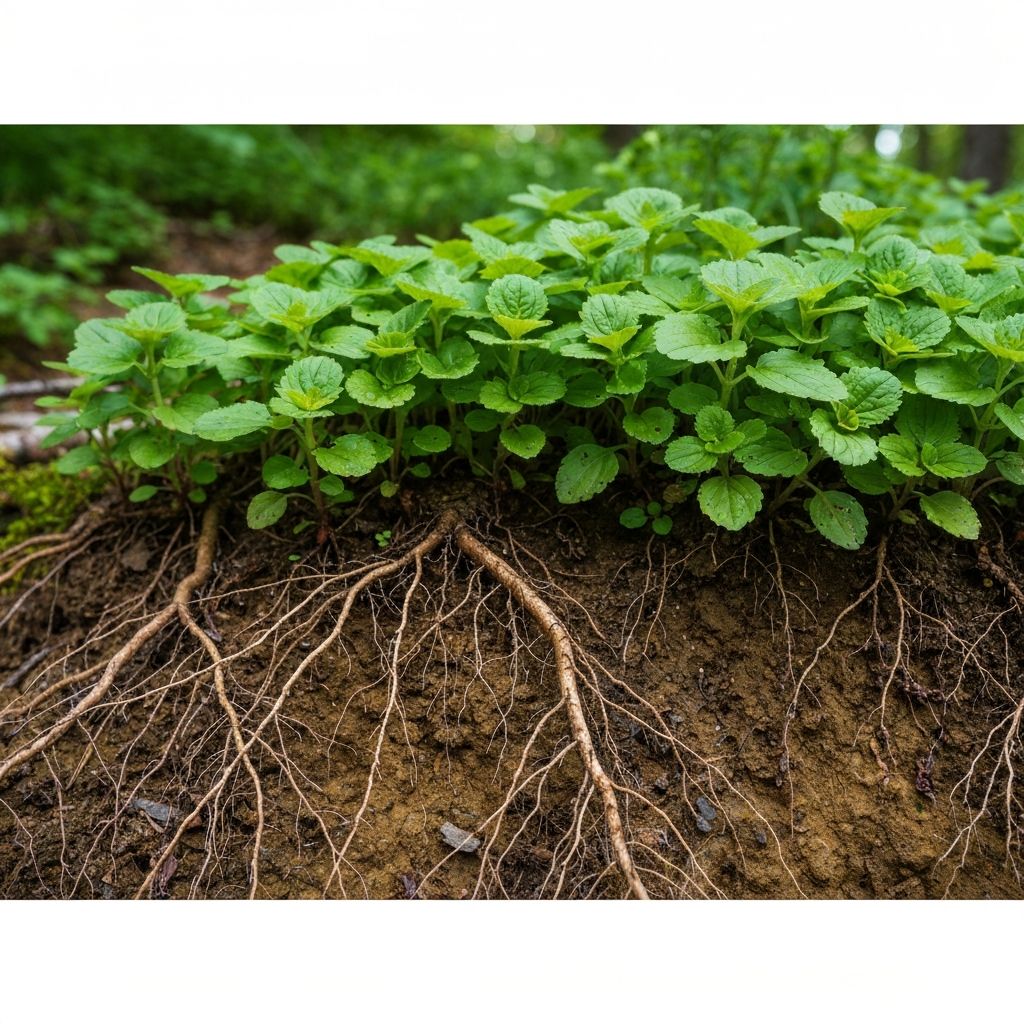
Adaptogenic Herbs
- Supports natural stress adaptation
- Promotes consistent daily function
- Part of traditional wellness practices
Alpine Root Complexes
- Reflects mountain herbalism traditions
- Contributes to general wellness
- Supports recovery and resilience
Effort and Recovery Equilibrium
True resilience is not about pushing harder—it's about understanding the balance between effort and recovery. This principle applies to every aspect of health and performance.
The Role of Effort
Physical and mental challenges create stimulus for adaptation. When you exercise, work, or engage in learning, your body responds by building capacity. Without adequate stimulus, no adaptation occurs.
The Role of Recovery
Recovery is where adaptation actually happens. Sleep, nutrition, stress management, and rest days are not optional—they are essential. Adequate recovery allows your body to repair, strengthen, and prepare for future effort.
Environmental Resilience Factors
Your environment profoundly influences your capacity for sustained performance. Environmental factors often matter as much as individual choices.
Natural Light Exposure
Sunlight regulates circadian rhythm, which influences sleep quality, hormone production, and energy levels. Regular outdoor time, especially in early morning, supports baseline resilience.
Natural Movement
Spending time in natural environments—forests, mountains, gardens—reduces stress hormones and improves mental clarity. Regular nature exposure supports both physical and psychological resilience.
Social Connection
Human connection and community engagement influence overall health outcomes as strongly as diet and exercise. Social resilience is essential to physical resilience.
Research vs. Assumptions: A Comparison
Not all claims about nutrition and performance are equal. Below is a framework for distinguishing between evidence-based information and unsupported assumptions.
| Research-Based Claim | Unsupported Assumption |
|---|---|
| Adequate sleep improves recovery. Supported by decades of peer-reviewed research. |
Supplements can replace sleep. No credible evidence supports this. |
| Balanced nutrition supports general health. Established through multiple studies. |
Specific products guarantee performance. Individual variation is too high to promise outcomes. |
| Physical activity improves cardiovascular health. Supported by extensive clinical data. |
More activity always equals better results. Overtraining without recovery is counterproductive. |
| Plant-based compounds have bioactive effects. Documented through phytochemistry research. |
All natural compounds are universally beneficial. Context and dosage matter significantly. |
| Consistency beats intensity for long-term results. Supported by behavioral and physiological studies. |
Quick fixes produce lasting changes. Sustainable results require sustained effort. |
Extended Reading and Scientific References
For those interested in deeper exploration, the following resources provide peer-reviewed scientific context on the topics covered in this educational resource.
Peer-Reviewed Research Domains
- Sleep and Recovery: PubMed Central hosts thousands of studies on sleep physiology and recovery adaptations.
- Physical Activity: Exercise science research is available through the American College of Sports Medicine database.
- Plant Phytochemistry: Peer-reviewed journals like Phytochemistry and Journal of Ethnopharmacology cover botanical compounds.
- Nutrition Science: The American Journal of Clinical Nutrition provides evidence-based nutritional research.
- Stress Adaptation: Psychoneuroimmunology research explores how lifestyle factors influence adaptation.
This resource is educational. For personalized guidance on health matters, consult with qualified healthcare professionals.
Compulsory Context and Limitations
This section provides essential context about the nature and scope of the information presented on this site.
Important Disclaimers
- Educational Only: All content on this site is for educational and informational purposes only. It is not medical advice.
- No Personalized Recommendations: This resource cannot and does not provide individualized dietary, medical, or health recommendations.
- Diversity of Approaches: People's needs vary widely. What works for one person may not work for another. Individual variation in response to nutrition and lifestyle is significant.
- Professional Consultation: Before making significant changes to your diet, supplement regimen, or health practices, consult with qualified healthcare professionals who know your personal health history.
- No Replacement for Medical Care: This information is not a substitute for professional medical evaluation, diagnosis, or treatment.
- Individual Responsibility: All decisions regarding health and nutrition remain your responsibility. You are encouraged to research independently and seek professional guidance.